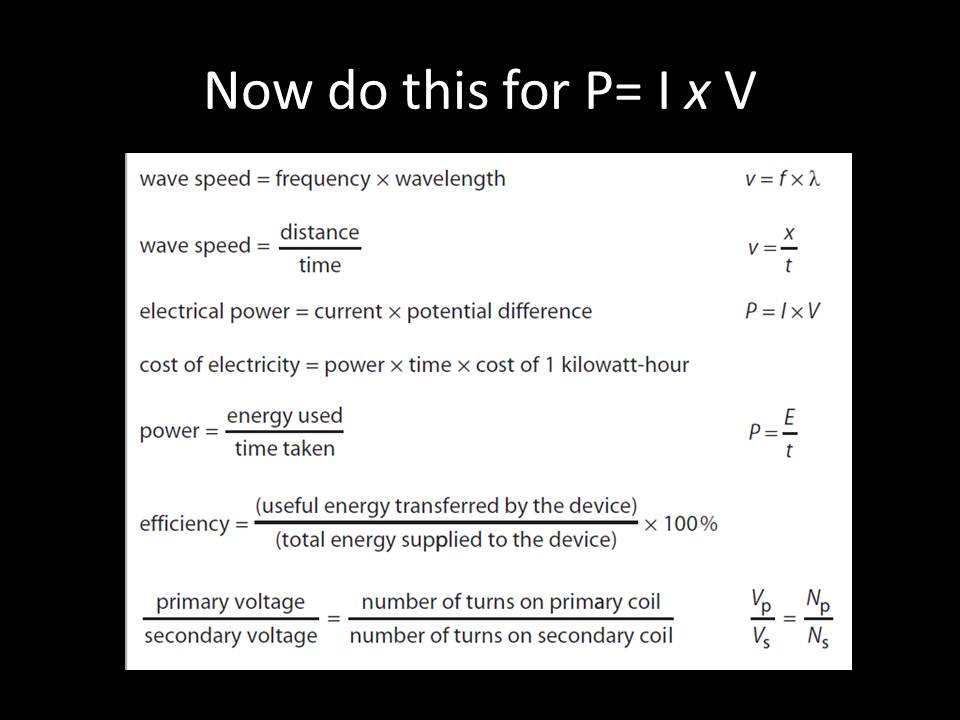
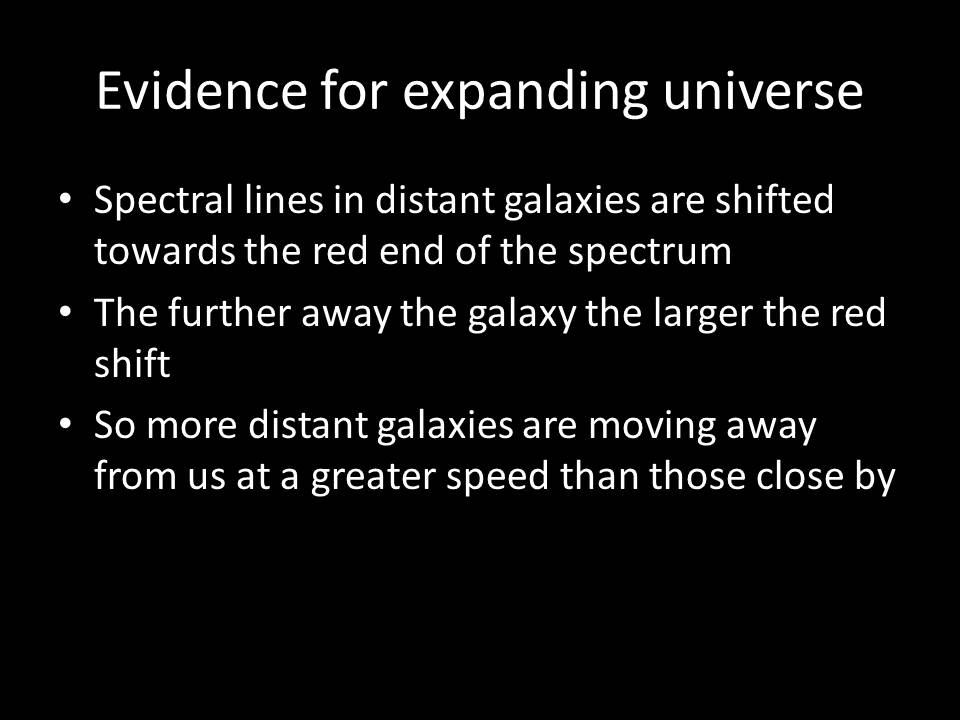
These are exports from the interactive whiteboard notes made during the lesson. No attempt has been made to edit them. Not all lessons will be published. If you print these you will use a lot of ink!
Search This Blog
Wednesday, 1 May 2013
Thursday, 4 October 2012
Tranformers Worksheet with answers
Transformer Effect
Vin
= Np or Vout = Ns
Vout Ns Vin Np
- A step down
transformer reduces voltage from 240 V (Vin) to 6 V. If there are 1000 turns on the primary
windings (Np), how many
are there on the secondary windings ?
Vout = Ns 6V/240V
= Ns/1000 Ns/1000
= 0.025 Ns = 1000 x 0.025 = 25 turns
Vin Np
- A step down
transformer reduces voltage from 240 V (Vin) to 12 V (Vout). If Np = 200 turns
calculate Ns.
Vout = Ns 12V/240v
= Ns/200 Ns = 12/240 x 200 = 10 turns
Vin Np
- A transformer
has 1000 turns on it’s primary windings and 100 in the secondary . If Vin
is in 20V calculate Vout.
Vout = Ns V
out/20v = 100/1000 Vout=
20 (100/1000) = 2 V
Vin Np
4. In a transformer Np
= 2000 turns and Ns = 50 turns.
If Vin =400 V, calculate Vout.
Vout = Ns V
out/400v = 50/2000 Vout=
400 (50/2000) = 10 V
Vin Np
5. A step up
transformer increases voltage from 4 V to 40 V.
If Np = 100 turns calculate Ns.
Vout = Ns 40V/4v
= Ns/100 Ns = 40/4 x 200 = 2000 turns
Vin Np
6. A step down
transformer reduces voltage from 100 V to 10 V.
If Np = 2000 turns calculate Ns.
Vout = Ns 10V/100v
= Ns/20000 Ns = 10/100 x 200 = 20 turns
Vin Np
7. In a transformer Ns
= 10 turns and Np = 500 turns.
If Vout = 10 V calculate Vin.
Vin/Vout = Np/Ns
rearranging Vin = VoutNp/Ns Vin = 10(500/10) = 500V
8. If Ns =
40 turns and Np = 4000 turns calculate Vin if Vout = 10
V.
Vin/Vout = Np/Ns
rearranging Vin = VoutNp/Ns Vin = 10(4000/40) = 1000V
Tuesday, 22 May 2012
Tuesday, 8 May 2012
Friday, 27 April 2012
Wednesday, 28 March 2012
Universe revision
Universe
1. Our
Solar System may have formed from the remains of a large star.
(a) Suggest how the Sun was formed. (3)
b) What changes to our Sun are likely to take place in the
future? (4)
2. The
Big Bang theory attempts to explain the origin and possible future of the
Universe.
(a) Describe the main features of the Big Bang theory. (3)
(b) State two pieces of evidence that support the Big
Bang theory. (2)
3. The Big Bang theory and
the Steady State theory are both about the beginning and possible future of the
Universe.
(a) (i) Explain the main
differences between the two theories.
Refer to the origin and likely future of the Universe in your answer.(4)
(b) Give 2 pieces of evidence that are not
predicted by the Steady State theory that can be accounted for by the Big Bang
Theory. (4)
4. The graph shows how the recessional
speed of five galaxies varies with distance from the Earth.
(a) Describe the general
pattern shown by the graph (on the previous page) for how the recessional speed
changes with distance from the Earth (1)
(b) Explain
how the measurements support Hubble’s idea of the ‘Big Bang’ theory of the
origin of the Universe. (2)
(d) What
would be the distance to a galaxy having a recessional speed of 30 000 km/s? (2)
5. (a) A star like the Sun forms
when large clouds of hydrogen, helium and dust are attracted together by the
force of gravity. What is the name of the object formed before the sun became a
star. (1)
(b) How does a star produce energy? (2)
(c) Scientists believe that the
Sun will eventually become a white dwarf.
Outline the possible fates of
much larger stars. (5)
Tuesday, 27 March 2012
Subscribe to:
Posts (Atom)